Ever wondered how much auto insurance costs in Massachusetts? You’re not alone. With its unique regulations and coverage requirements, deciphering auto insurance in the Bay State can feel like navigating a complex maze. Whether you’re a resident, a new driver, or someone considering a move to Massachusetts, understanding the ins and outs of auto insurance here is crucial.
In this guide, we’ll break down everything you need to know about auto insurance in Massachusetts, from the basic requirements and factors influencing costs, to tips for lowering your premiums. Get ready to dive into the world of Massachusetts auto insurance with the insights only Backlinko could provide.
Overview of Auto Insurance in Massachusetts
Did you know that Massachusetts has some of the strictest auto insurance requirements in the US? That’s right. If you’re driving in the Bay State, you’re going to need to know the ins and outs of what’s required.
Here’s the deal: Massachusetts requires every driver to have a certain minimum level of coverage. But don’t worry, I’m here to break it down for you.
Basic Requirements for Auto Insurance in Massachusetts
In Massachusetts, you can’t just grab any old policy. You need to ensure you have the right amount of coverage to stay legal. At a minimum, drivers must have:
- Bodily Injury to Others: $20,000 per person/$40,000 per accident
- Personal Injury Protection (PIP): $8,000 per person
- Bodily Injury Caused by an Uninsured Auto: $20,000 per person/$40,000 per accident
- Damage to Someone Else’s Property: $5,000 per accident
These are the minimums. But remember, these may not cover all potential expenses in an accident. So consider upping your limits!
No-Fault Insurance System
Massachusetts operates under a no-fault insurance system. This means that your insurance company will cover your medical expenses and lost wages after an accident, regardless of who’s at fault. The goal? To reduce the number of lawsuits over minor accidents.
But here’s what you need to know: This system doesn’t cover vehicle damage. So you’ll still need collision coverage if you want to protect your wheels.
How Massachusetts Compares to Other States
Ever wondered how Massachusetts stacks up against other states when it comes to auto insurance? Check out this quick comparison:
| State | Bodily Injury | Property Damage | No-Fault Insurance |
|---|---|---|---|
| Massachusetts | $20,000/$40,000 | $5,000 | Yes |
| California | $15,000/$30,000 | $5,000 | No |
| Florida | $10,000/$20,000 | $10,000 | Yes |
Pro Tip: Always compare the minimum coverage requirements in different states if you’re planning on moving or often drive across state lines. It could save you some serious cash!
Factors Affecting Auto Insurance Costs
Ever wondered why your auto insurance premium is so high? It’s because several key factors play a role in determining the cost. Let’s break down what affects your auto insurance in Massachusetts.
Here’s the deal: your driving record, age, and location are major players in your insurance rates. But that’s not all—vehicle characteristics and your credit score also weigh heavily.
Your Driving Record, Age, and Location
If you’ve been a speed demon or had a few unfortunate bumps, your driving record can seriously hike up your insurance. Why? Because insurers see you as a bigger risk. And if you’re under 25, brace yourself; youth comes at a premium in the eyes of insurers.
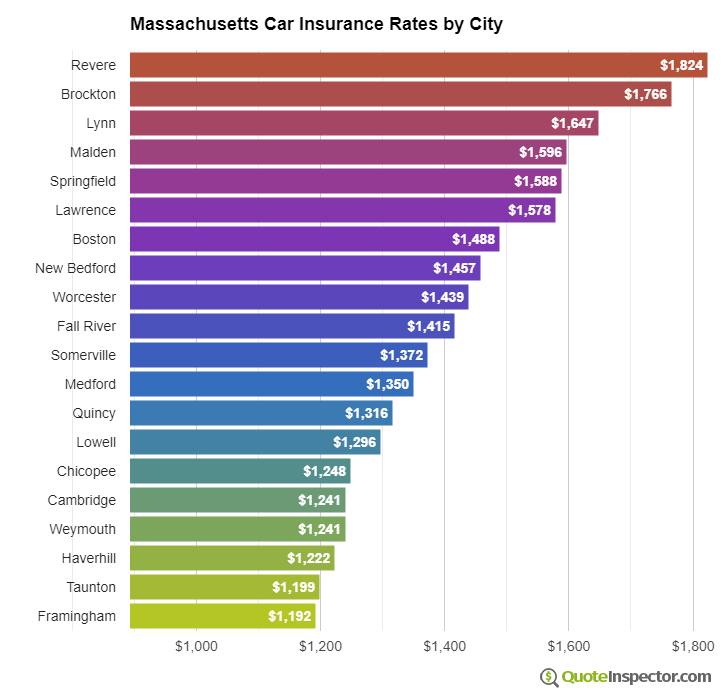
Where you live matters too! Urban areas like Boston can increase your rates due to higher traffic and accident chances. Suburban or rural locations might give you a breather with slightly lower premiums.
Vehicle-Related Factors
Think your car is just a mode of transport? Think again! Here’s a quick rundown of how your vehicle can influence your insurance costs:
- Make and model: Sports cars often lead to higher premiums.
- Age of the vehicle: New cars can cost more to insure due to their value.
- Safety features: Cars with advanced safety systems can lower your premiums.
- Theft rates: Vehicles that are frequently stolen can drive up your insurance costs.
The Role of Credit Score in Determining Insurance Costs
This might surprise you: your credit score can significantly impact your auto insurance rates. Insurers believe a higher credit score indicates a responsible and less risky driver. So, if your credit score needs work, it might be time to boost it to see some savings on your premiums.
Pro Tip: Regularly check and improve your credit score to potentially reduce your insurance rates.
Average Auto Insurance Costs
Ever wondered what the average cost of auto insurance is in Massachusetts? It’s a hefty number that might surprise you.
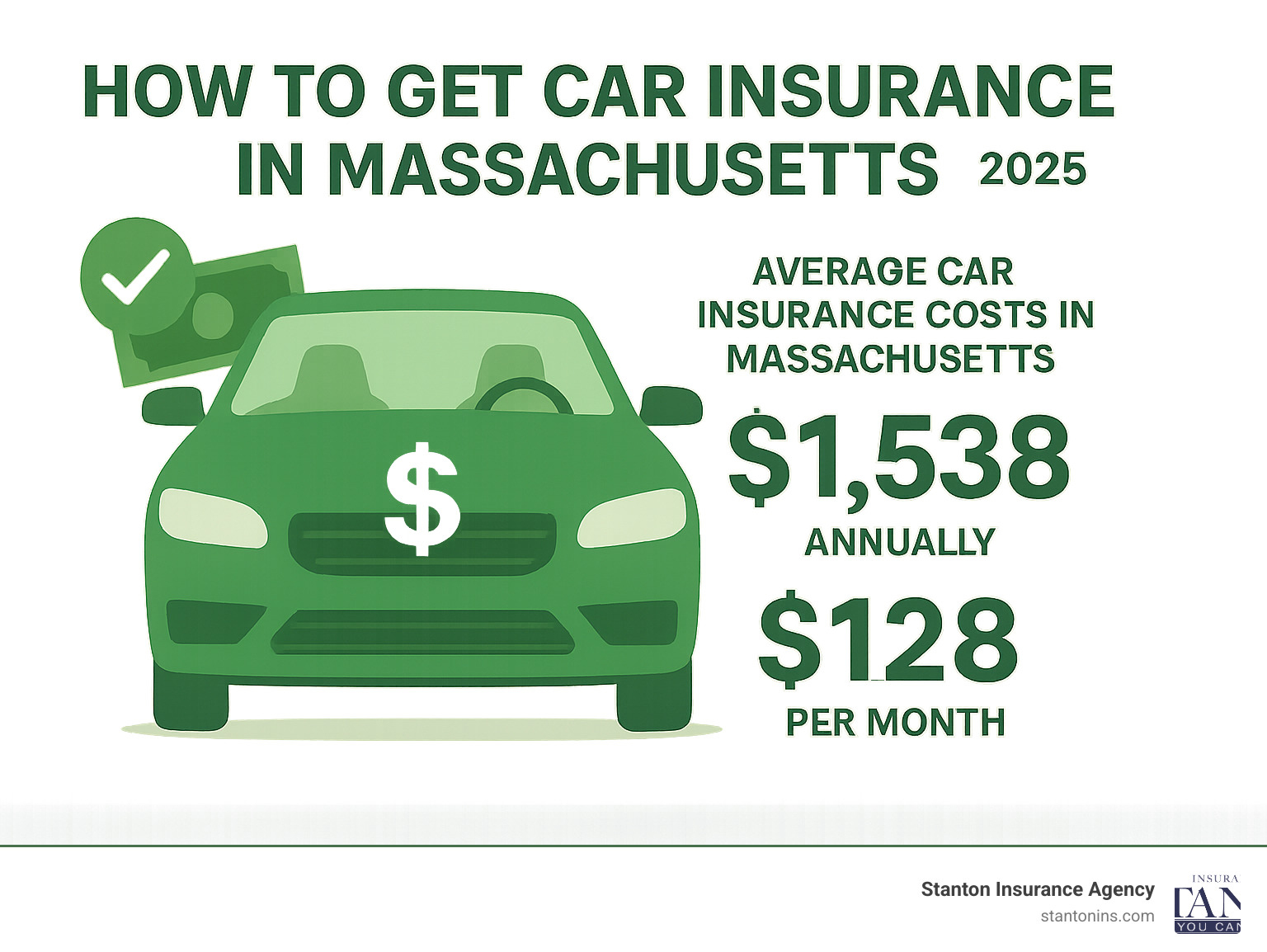
Massachusetts drivers pay a premium, literally. The average annual cost for car insurance here is around $1,264. That’s quite a bit more than the national average. But why is that?
Trends in Insurance Rates Over the Last Five Years
If you thought insurance rates were stable, think again. Over the past five years, the average cost of auto insurance in Massachusetts has steadily climbed. Rates have increased by approximately 20%, reflecting the general trend across the US. This upward tick is fueled by factors like increased traffic congestion and a rise in auto-related claims.
Comparison of Average Premiums for Different Coverage Levels
Let’s break it down further. You might be thinking, “How much will I really pay?” Here’s a quick snapshot:
| Coverage Level | Average Annual Premium |
|---|---|
| Minimum Coverage | $800 |
| Standard Coverage | $1,264 |
| Full Coverage | $1,920 |
As you can see, the type of coverage you choose can significantly impact your wallet. Opting for full coverage nearly doubles your premium, but it might be worth it for the peace of mind.
Variation in Rates Between Urban and Rural Areas
Here’s the deal: location matters. If you’re living in the bustling city of Boston, expect to pay more compared to someone in a rural area like Greenfield. Urban areas typically have higher rates due to increased accident risks and theft rates. So, if you’re planning a move, factor in these potential cost differences.
Pro Tip: Always compare quotes from multiple insurers to find the best rate for your specific needs.
By understanding these trends and factors, you can better navigate the auto insurance landscape and maybe even save a few bucks in the process.
Comparing Auto Insurance Providers
Did you know that picking the right auto insurance provider could save you hundreds of dollars each year? In Massachusetts, there’s a competitive market with several providers vying for your attention.
But how do you choose the best one? Here is the deal: it comes down to understanding what each company offers and how they stack up against each other. Let’s dive into the details and compare some of the top auto insurance providers in Massachusetts.
Key Features and Benefits
When choosing an auto insurance provider, it’s essential to know what features and benefits they offer. Here’s a comparison table to help you see how major companies differ:
| Provider | Key Features | Benefits |
|---|---|---|
| GEICO | Online claims, multi-policy discounts | 24/7 customer service, accident forgiveness |
| Progressive | Snapshot program, bundling discounts | Price match, large network of agents |
| Allstate | Drivewise program, new car discount | Claim satisfaction guarantee, rewards points |
Customer Service Ratings and Claims Handling
Customer service can make or break your experience with an auto insurance provider. You want a company that’s easy to contact and efficient in handling your claims.
According to recent reviews, USAA (available to military families) consistently scores highest in customer satisfaction. Meanwhile, State Farm receives praise for its user-friendly mobile app and quick claims processing. Choose wisely, as these interactions can significantly impact your peace of mind.
Discounts and Savings Options
Who doesn’t love a good discount? Many insurance providers offer a range of discounts that can help you save big bucks.
- GEICO offers discounts for federal employees, military, and safe drivers.
- Progressive’s Snapshot program rewards you for good driving habits with a personalized rate.
- Allstate gives back with its Drivewise program, offering cash back for safe driving.
Pro Tip: Always ask your provider about available discounts. You might qualify for savings you didn’t even know existed!
By understanding these options, you can tailor your insurance plan to not only meet your needs but also fit your budget.
Strategies to Lower Auto Insurance Costs
Auto insurance can feel like an unavoidable financial burden. But what if I told you there are proven strategies to slash those premiums?
By implementing a few simple tactics, you can significantly reduce your auto insurance costs. The key is to understand the various factors influencing your rate and strategically manage them to your benefit.
Bundle Your Insurance Policies
One of the easiest ways to save on auto insurance is by bundling. When you combine your auto insurance with other policies like home or life insurance, companies often offer substantial discounts. This is because insurance providers love loyalty and will reward you for sticking with them.
Pro Tip: Bundling can save you up to 25%. Check with your provider to see what options you have.
Maintain a Clean Driving Record
Your driving record is a major player in determining insurance costs. Traffic violations and accidents can skyrocket your premiums. But if you keep a clean record, insurers see you as low-risk. This can lead to significant discounts over time.
Regularly monitor your record and practice safe driving habits. A clean slate could mean hundreds of dollars of savings each year.
Defensive Driving Courses for Discounts
Did you know that taking a defensive driving course can lower your insurance rates? These courses teach you how to drive more safely and efficiently, which insurers love. Here are some courses known for offering discounts:
- AAA Defensive Driving Course
- AARP Smart Driver Course
- National Safety Council Defensive Driving Course
Completing one of these courses not only makes you a better driver but can also result in immediate savings. Plus, it’s a skill that pays off in more ways than one.
Understanding Policy Details and Terms
Ever skimmed through an insurance policy and felt lost? You’re not alone. Let’s decode those jargon-filled documents together.
Selecting the right auto insurance in Massachusetts means understanding the nitty-gritty of policy details. From coverage limits to deductibles, every word in the contract counts. But here’s the deal: most people overlook critical exclusions that could leave them unprotected when they need it most.
Common Terms and Conditions in Auto Insurance Policies
Policies are filled with terms that can make or break your coverage. Liability coverage, for instance, protects you from legal obligations if you’re at fault in an accident. Then there’s comprehensive coverage, which covers damages not caused by collisions like theft or weather damage. Remember, deductibles are what you pay out of pocket before insurance kicks in. A higher deductible usually means lower premiums, but could cost you more in a claim.
Here’s a table to help clarify these:
| Term | Description |
|---|---|
| Liability Coverage | Covers legal responsibilities if at fault in an accident. |
| Comprehensive Coverage | Covers non-collision related damages. |
| Deductibles | The amount you pay before insurance covers the rest. |
Understanding Coverage Limits and Deductibles
Do you know how much your policy covers in the event of an accident? Coverage limits dictate the maximum amount your insurance will pay out. Think of it as your safety net. But beware: choosing limits that are too low could leave you paying out of pocket for expensive repairs or medical bills. Higher limits mean higher premiums but offer greater protection.
PRO TIP: Always review your coverage limits annually to ensure they match your current needs and net worth.
The Importance of Understanding Exclusions
Exclusions are the fine print that defines what your policy won’t cover. Ignoring these could be a costly mistake. For example, many policies exclude intentional damage and unlicensed drivers. Always ask yourself: “What if?” before signing on the dotted line. Understanding these exclusions helps you avoid nasty surprises when filing a claim.
Summary
Auto insurance in Massachusetts doesn’t have to be a mystery. By understanding the state’s specific requirements and factors that influence costs, drivers can make informed decisions and potentially save money on their premiums. Remember, knowledge is power, and in this case, it could be the key to unlocking significant savings on your auto insurance.
Frequently Asked Questions
What are the minimum auto insurance requirements in Massachusetts?
Massachusetts requires drivers to carry a minimum of liability coverage, including bodily injury and property damage, as well as personal injury protection.
How does the no-fault insurance system work in Massachusetts?
Under the no-fault insurance system, your insurance provider covers your injury claims, regardless of who caused the accident, up to a specific limit.
What factors can affect the cost of auto insurance in Massachusetts?
Several factors influence the cost, including your driving record, age, location, vehicle type, and your credit score.
How do urban and rural areas compare in terms of auto insurance rates in Massachusetts?
Typically, urban areas have higher insurance rates due to increased traffic and higher risk of accidents, while rural areas tend to have lower rates.
What strategies can help lower my auto insurance premiums in Massachusetts?
Consider bundling insurance policies, maintaining a clean driving record, and taking defensive driving courses to reduce your premiums.
Can my credit score affect my auto insurance rates in Massachusetts?
Yes, insurance companies often consider your credit score when determining your premiums, as it can be an indicator of risk.
