Are you tired of sifting through endless insurance options, trying to figure out the best rates in North Carolina? Well, buckle up because we’re about to unveil the secrets to getting the most bang for your buck on insurance in the Tar Heel State. Whether you’re navigating the bustling streets of Charlotte or the serene coastlines of the Outer Banks, understanding the intricacies of insurance rates can be a game-changer for your wallet.
In this comprehensive guide, we dive deep into the factors that influence insurance pricing, compare leading providers, and explore specific needs that North Carolina residents must consider. With insights and actionable tips, you’re set to transform your insurance experience from baffling to brilliant. Let’s get started!
Understanding Insurance Rates in NC
Did you know that your zip code in North Carolina could cost you hundreds more in insurance premiums each year? That’s right.
Insurance rates in North Carolina are influenced by a unique blend of factors. From your driving record to the local crime rate, these variables can dramatically sway your premiums. But let’s break it down further.
Key Factors Influencing Insurance Rates in North Carolina
When it comes to auto insurance, your driving history is a major piece of the puzzle. Accidents and traffic violations? Expect higher rates. But there’s more. Where you live in NC also matters. Urban areas with higher traffic density and crime rates tend to have higher premiums.
Now, let’s talk about home insurance. If your area is prone to natural disasters like hurricanes or floods, brace yourself for higher costs. Local building costs and crime rates also play a big role. But here’s the deal: understanding these factors can help you make smarter choices.
Types of Insurance Available in NC
North Carolina offers a wide range of insurance options. From auto and home insurance to health and life insurance, the choices are aplenty. Each type comes with its own set of criteria and coverage options.
Are you a business owner? Then commercial insurance is your go-to. It protects you from potential pitfalls that could wreak havoc on your business.
Geographic Impact on Insurance Rates in NC
Your geographic location in NC plays a pivotal role in determining your insurance rates. If you’re in a coastal area, expect higher home insurance premiums due to the risk of hurricanes. On the flip side, rural areas might offer some savings due to the lower risk of theft and vandalism.
Pro Tip: Living on the coastline? Consider investing in flood insurance. It’s not usually covered under standard home insurance policies but can save you a fortune.
State Regulations and Their Influence on Rates
State regulations are your friend and foe. They ensure insurance companies operate fairly but also set the parameters for rate adjustments. In NC, the Department of Insurance closely monitors rate changes to protect consumers.
Here’s the scoop: Regulatory actions can sometimes slow down rate increases, giving you more time to plan your finances effectively.
The history of insurance rate changes in NC is marked by attempts to balance fair pricing with the financial stability of insurance companies. In recent years, certain legislative measures have aimed at capping rate increases, much to the relief of policyholders.
Comparing Different Insurance Providers
Ever wondered which insurance provider gives the best bang for your buck in NC? You’re not alone. Choosing the right insurer can save you a ton. But with so many options, it can get confusing fast.
In North Carolina, some big names dominate the insurance landscape. Companies like State Farm, GEICO, and Nationwide hold significant market shares. Each provider boasts different rates, perks, and customer service experiences. So, how do you pick the right one?
Major Insurance Providers and Market Share in NC
Here’s a quick look at the major players:
| Provider | Market Share (%) |
|---|---|
| State Farm | 13.4 |
| GEICO | 12.1 |
| Nationwide | 7.6 |
| Allstate | 7.2 |
State Farm leads the pack, but GEICO isn’t too far behind. But market share doesn’t tell the whole story.
Insurance Rate Offerings by Providers
Let’s break down the rates:
| Provider | Average Annual Rate ($) | Coverage Options |
|---|---|---|
| State Farm | 1,234 | Basic to Comprehensive |
| GEICO | 1,100 | Liability, Collision, Comprehensive |
| Nationwide | 1,150 | Customizable |
While GEICO offers a lower average rate, State Farm and Nationwide provide more customizable options. Are you just looking for low rates, or value-added services too?
Local vs. National Providers
Choosing between local and national providers can be tricky.
Local providers might offer personalized service but often lack the extensive network of national brands. On the flip side, national providers offer 24/7 support and a vast array of products. However, they might not remember your dog’s name. Pros and cons are aplenty here.
Customer Service Ratings
Customer service can make or break your insurance experience.
According to J.D. Power, State Farm ranks high for customer satisfaction in NC. Customers rave about their fast claims processing. On the other hand, GEICO is known for its efficient online platform, but phone support can be hit or miss.
Discounts and Bonuses
Don’t leave money on the table. Many insurers offer discounts:
- State Farm: Safe driver, multi-policy, and student discounts.
- GEICO: Military, good driver, and federal employee discounts.
- Nationwide: Accident-free, easy pay sign-up, and multi-policy discounts.
Pro Tip: Always ask about discounts! They can lower rates more than you expect.
Tips for Finding the Best Insurance Rates
Are you overpaying for insurance in NC? You might be leaving hundreds of dollars on the table each year. Finding the best insurance rates doesn’t have to be a guessing game.
The process is much simpler than most people think. Once you know the strategies to employ, you can negotiate, bundle, and score the best deals out there.
Strategies for Negotiating Better Rates with Insurers
Did you know that 40% of policyholders never negotiate their insurance rates? That’s a major missed opportunity. I get it: negotiating can be intimidating, but it’s worth it. Start by gathering quotes and use them as leverage. Insurers want to keep your business, so don’t hesitate to ask for a discount!
Pro Tip: Always compare at least three different quotes before negotiating.
Methods for Bundling Insurance to Save Costs
Bundling your insurance can lead to significant savings. When you purchase multiple policies (like auto and home insurance) from the same provider, you typically receive a discounted rate. This is because you’re giving the insurer more of your business. Here is the deal: call your provider and ask about the discount they offer for bundling.
How Maintaining a Good Credit Score Influences Rates
Your credit score might be more valuable than you think. Insurance companies often use it to determine your risk level. A higher score can mean lower premiums. So, maintaining a good credit score isn’t just about getting loans or credit cards; it’s also about saving money on insurance.
Pro Tip: Regularly check your credit report for errors that could impact your score.
Checklist for Reviewing Insurance Policies for Cost Efficiency
Reviewing your policy might seem like a chore, but it can reveal hidden opportunities for savings. Use this checklist:
- Check your coverage limits and deductibles.
- Look for any unnecessary add-ons you’re being charged for.
- Evaluate if your coverage still meets your needs.
- Identify any discounts you might qualify for but aren’t receiving.
By systematically going through these points, you can ensure you’re not paying more than necessary.
Scenarios Where Switching Providers Could Be Beneficial
Sometimes loyalty doesn’t pay. If you’ve been with the same insurer for years, it might be time to shop around. Switching providers could be beneficial if you find a company offering better rates for the same or even better coverage. But beware: check for any penalties for leaving your current insurer, and make sure the new provider’s policy aligns with your needs.
Specific Insurance Needs in NC
Did you know that North Carolina ranks as one of the top states most vulnerable to hurricanes? This means that certain areas, especially coastal regions, have unique insurance needs that you can’t afford to ignore.
Whether you’re living near the beautiful beaches or in the bustling cities, understanding the specific insurance demands in NC is crucial to safeguard your home, car, or business.
Insurance for Coastal Areas Prone to Storms
Living by the coast is a dream for many, but it comes with significant risks. Coastal areas in North Carolina face frequent storms and hurricanes. Homeowners in these regions need more than just standard homeowners insurance. You’ll require windstorm insurance to cover damage from high winds and hurricanes. BUT don’t stop there.
Here is the deal: While windstorm coverage helps, it usually doesn’t cover flood damage. Hence, a separate flood insurance policy is often necessary.
The Importance of Flood Insurance in Certain NC Regions
Many residents believe they’re safe from floods, but the truth is starkly different. North Carolina has seen its share of floods, even in unexpected areas. You might be thinking, “I don’t live near water, so why would I need flood insurance?”
Pro Tip: Floods can happen anywhere. Even a few inches of flooding can cause hundreds of thousands in damage.
This makes having an extra layer of protection not just wise but essential for safeguarding your property and finances.
Insurance Tips for Rural vs. Urban Residents
Life in rural NC is different from city living, and so are the insurance needs. Here’s how they stack up:
- Rural residents may want to focus more on agricultural insurance due to equipment and livestock.
- Urban dwellers should consider higher coverage limits due to increased property values and potential for theft.
Regardless of where you live, make sure your policies address your specific lifestyle and location challenges.
Insurance Requirements for NC Drivers and Vehicles
Driving in North Carolina comes with its own set of rules. Did you know that the state mandates a minimum liability coverage of 30/60/25? That’s $30,000 for bodily injury liability per person, $60,000 per accident, and $25,000 for property damage.
Here’s the catch: While these are the minimum requirements, it’s often wise to opt for higher coverage limits. Not doing so could leave you financially vulnerable after an accident.
Insurance Policies Tailored for Small Businesses in NC
Small businesses are the backbone of NC’s economy, but they need the right protection. This includes general liability insurance, property insurance, and workers’ compensation if you have employees.
Don’t overlook business interruption insurance. It can be a lifesaver when unexpected events force you to temporarily close your doors.
- Professional Liability Insurance
- Commercial Auto Insurance
- Cyber Liability Insurance
These tailored policies ensure that your business is covered from all angles, allowing you to focus on growth instead of potential liabilities.
Evaluating Insurance Policy Features
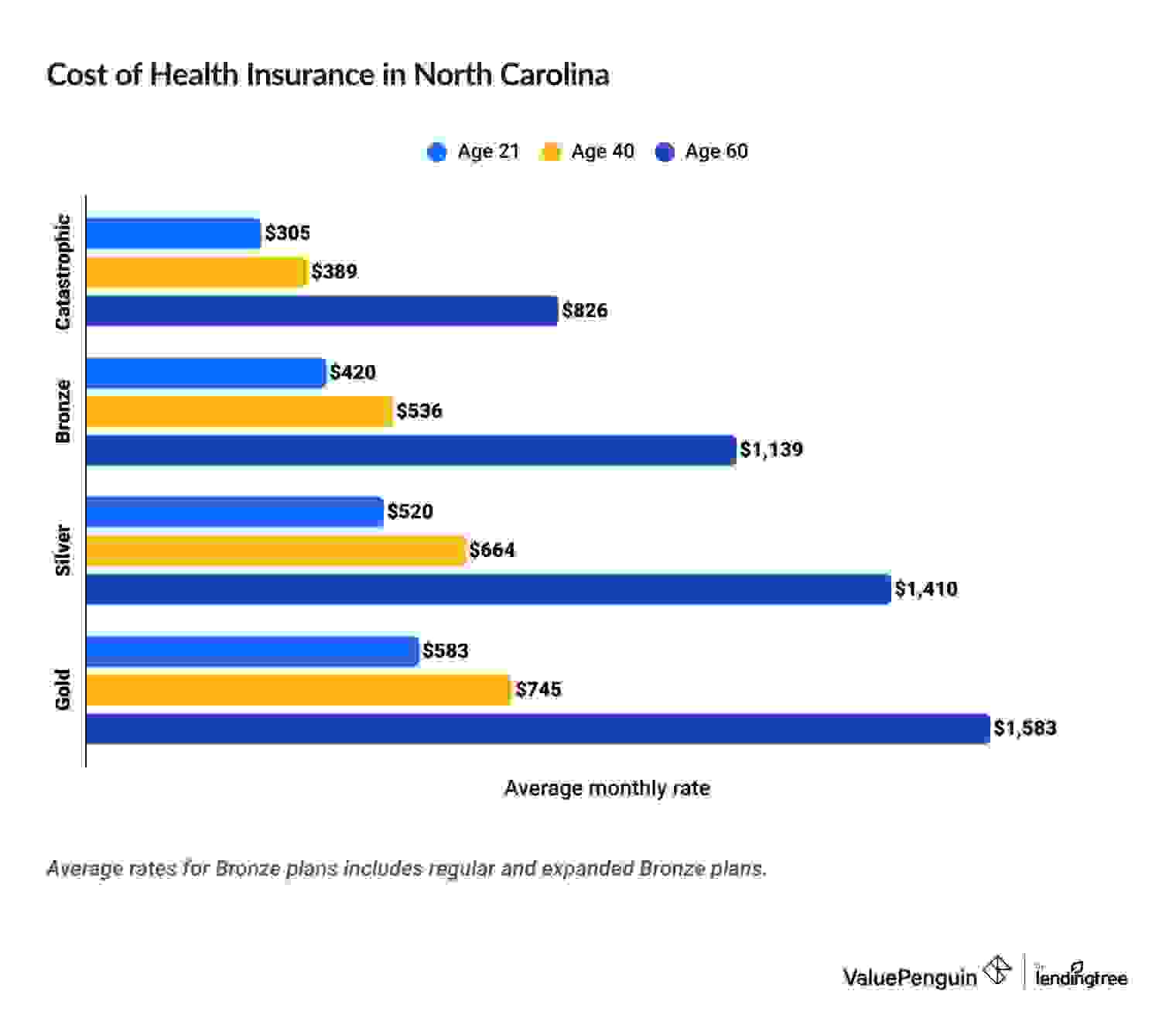
Did you know that tweaking your insurance policy features can dramatically alter your rates? Whether it’s choosing a higher deductible or adding a rider, understanding these options can save you a ton of cash.
Here’s the deal: insurance policy features are a maze of terms and conditions. By organizing and comparing these features, you can make informed decisions that align with your budget and coverage needs.
Key Insurance Features and Their Impact on Rates
Insurance rates are influenced by several key features. Let’s take a look at them:
| Feature | Impact on Rates |
|---|---|
| Deductibles | Higher deductibles usually mean lower premiums. |
| Coverage Limits | Higher limits increase premiums but provide more protection. |
| Policy Riders | Add-ons that can offer additional coverage but at a higher cost. |
Benefits of Policy Add-ons or Riders in NC
Policy add-ons, or riders, are optional benefits that you can include in your policy. For example, roadside assistance or accident forgiveness can be a lifesaver.
But these come at an extra cost. It’s crucial to assess whether the added benefits justify the increase in your premium. In many cases, riders offer peace of mind and convenience that outweigh their cost.
Deductibles and Coverage Limits Explained
Choosing the right deductible and coverage limit can be tricky. A $1,000 deductible will lower your premium compared to a $500 one, but can you afford the upfront cost if a claim arises?
Pro Tip: Balance your deductible based on your savings and risk tolerance.
As for coverage limits, higher limits mean better protection, but how much is enough? If your assets exceed your coverage, you could be at risk.
Standard vs. Premium Insurance Packages
What’s the difference between standard and premium packages? In a nutshell, it’s all about coverage and cost.
Standard packages offer basic protection and are budget-friendly. Premium packages, on the other hand, provide extensive coverage options and additional perks but at a higher price point. Consider your coverage needs and financial flexibility when choosing.
Guide to Understanding Policy Terms and Conditions
Insurance contracts can be overwhelming with their legal jargon. Here’s how to break it down:
- Read the fine print — always.
- Note the terms of coverage and what is excluded.
- Understand how and when claims are processed.
By comprehending these elements, you’re better equipped to choose a suitable policy and avoid unwanted surprises.
Future Trends in NC Insurance Rates
Insurance rates in North Carolina are on the brink of transformation. Are you ready for what’s coming next?
With a cocktail of legislative changes, economic shifts, and tech innovations, the insurance landscape is set to evolve dramatically. Let’s dive into the trends that could redefine how you secure coverage in NC.
Legislative Changes Impacting Insurance Rates
Legislation can turn the insurance world on its head. In North Carolina, upcoming bills could introduce new regulations that alter premium calculations. For instance, the push towards more transparent pricing is gaining steam. BUT, the real game-changer could be mandates on climate-related risk assessments.
Economic Factors Influencing Future Costs
The economy plays a big role in determining what you pay for insurance. Inflation, interest rates, and market volatility can’t be ignored. Here’s the deal: if inflation keeps climbing, expect higher premiums across the board. Conversely, economic stability might stabilize rate increases.
Technological Advancements in Insurance
Tech is revolutionizing every industry, and insurance is no exception. From AI underwriting to blockchain for claims, tech tools are making processes faster and more accurate. The upshot? You might see lower rates as efficiency improves.
Pro Tip: Keep an eye on insurers that integrate AI as they may offer more competitive rates.
Climate Change and Its Impact on Insurance
Climate change isn’t just an environmental issue; it’s a financial one too. Rising sea levels and extreme weather events are increasing the risk (and cost) of insuring properties in vulnerable areas. If you’re in a flood-prone zone, expect to see higher premiums to cover these risks.
Evolution of Customer Preferences in Insurance
Customers want more than just coverage; they want value and personalization. With the rise of on-demand insurance and flexible policies, insurers are shifting to meet these demands. Are you ready to customize your policy like never before?
Final Thoughts
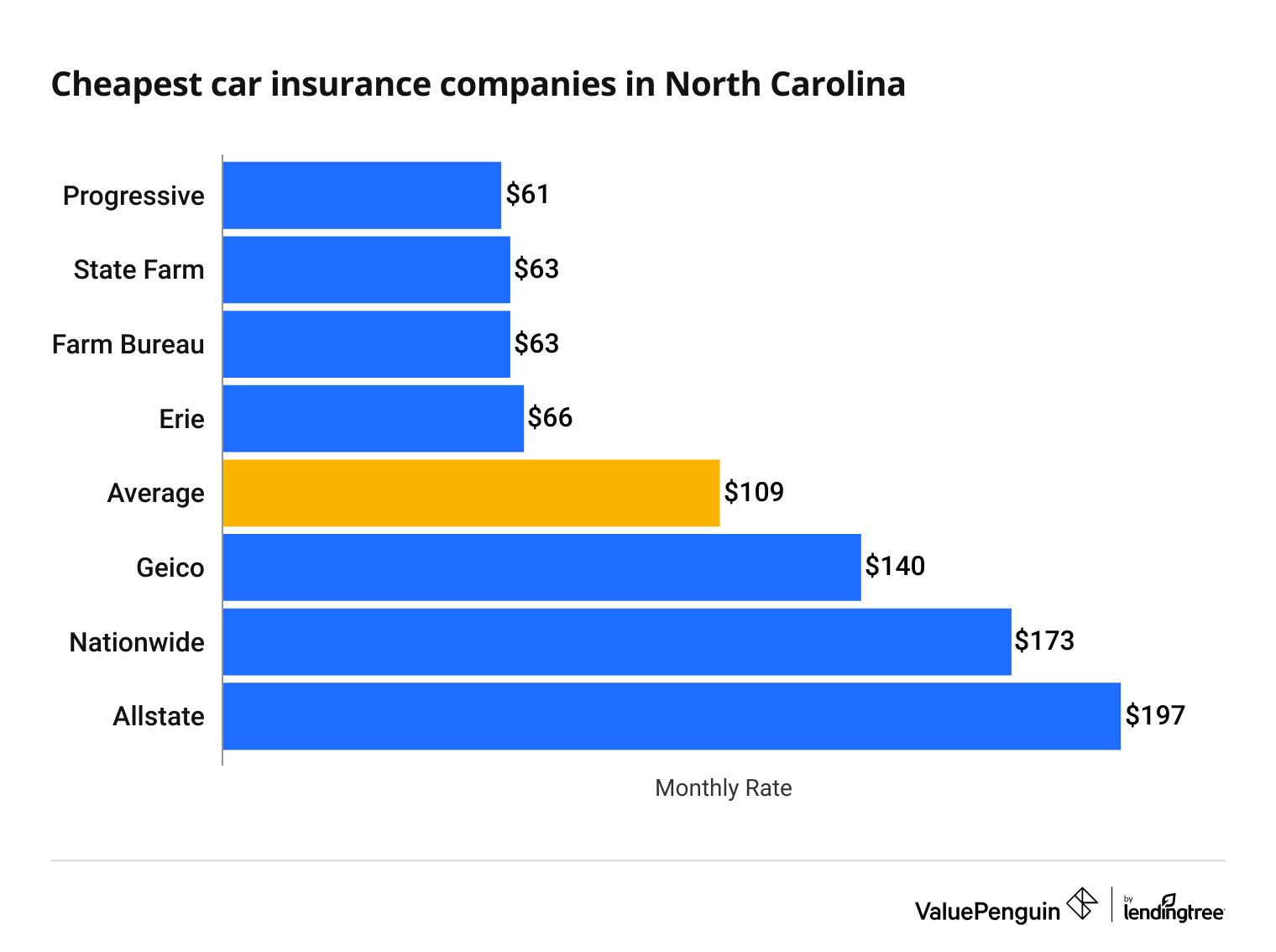
By now, you’re well-equipped to tackle the world of insurance in North Carolina. From understanding rate determinants to leveraging insider tips for the best deals, you’re ready to make informed decisions that safeguard your assets without breaking the bank. Remember, the key to unlocking the best insurance rates in NC lies in knowledge, strategy, and a little bit of negotiation prowess. So, go forth and conquer, knowing that you’ve got the upper hand in the insurance game!
FAQ
What factors influence insurance rates in North Carolina?
Insurance rates in NC are influenced by factors such as geographic location, state regulations, the type of insurance, and individual risk profiles.
How does geographic location within NC affect insurance rates?
Geographic location plays a significant role, with coastal areas prone to storms typically experiencing higher rates due to increased risk.
Are there unique insurance needs for NC residents?
Yes, coastal residents might need additional storm and flood insurance, while rural and urban residents have different considerations based on local risks.
What are the benefits of choosing local vs. national insurance providers in NC?
Local providers may offer personalized service and regional expertise, while national providers might provide broader coverage options and competitive pricing.
How can I negotiate better insurance rates?
Negotiating better rates can involve comparing quotes, leveraging good credit scores, and bundling different insurance policies to receive discounts.
